

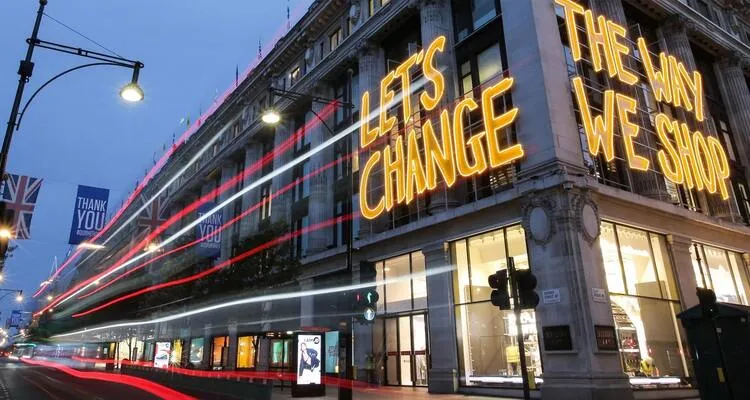
For most of commercial history, shopping followed an unvarying, geographically bound routine. A consumer identified a household or personal need, traveled to a physical storefront during set operational hours, browsed the inventory stocked on the shelves, completed a transaction with physical currency, and transported the goods home. If a desired item was out of stock or unavailable in a particular size or color, the shopper either settled for an imperfect substitute or walked away empty-handed. Retailers held the upper hand in terms of pricing transparency, product availability, and consumer attention.
Over the past two decades, this foundational dynamic has completely inverted. Driven by high-speed mobile connectivity, cloud-native computing, sophisticated logistics networks, and algorithmic data modeling, modern retail has broken free from physical and temporal constraints. Shopping is no longer an occasional destination or a planned weekend chore; it is a continuous, ambient experience embedded into daily life.
Today, consumers move effortlessly between digital platforms, social media feeds, and physical retail environments with the expectation of instant availability, personalized recommendations, and rapid delivery. This shift has altered consumer behavior, redefined retailer business models, and reshaped global commerce from the ground up.
The Rise of Omnichannel Commerce and the Unified Journey
The early era of internet commerce framed digital storefronts and physical brick-and-mortar stores as bitter rivals locked in a zero-sum battle. Industry observers predicted the death of traditional retail spaces as digital sales climbed. However, the retail landscape did not experience an outright replacement of physical stores; instead, it underwent convergence.
Modern retail is built upon omnichannel architecture, an operational model where digital and physical channels blend into a single, cohesive customer journey.
-
Buy online, pick up in store: Consumers frequently browse merchandise, check local real-time inventory levels, purchase products on mobile apps, and collect their items at a physical store within hours, avoiding delivery wait times and shipping fees.
-
Curbside delivery infrastructure: Brick-and-mortar locations have been re-engineered with designated vehicle pickup bays, turning suburban storefronts into local fulfillment hubs that bridge digital convenience with instant local handoffs.
-
Showrooming and webrooming behaviors: Shoppers routinely visit brick-and-mortar spaces to inspect materials, test ergonomics, and verify dimensions in person before purchasing the item online to capture better pricing. Conversely, they spend hours reading digital consumer reviews and comparing technical specifications online before walking into a store to complete an immediate purchase.
-
Universal cross-channel returns: Modern retailers allow consumers to return online purchases directly to physical storefront customer service desks. This eliminates the hassle of repacking boxes, printing shipping labels, and waiting for transit scans, while simultaneously driving high-intent foot traffic back into physical retail stores.
The physical store has evolved from a passive warehouse into a strategic experiential hub, service center, and last-mile fulfillment engine working in harmony with digital ecosystems.
Algorithmic Personalization and the Predictive Storefront
In the traditional retail model, every customer who walked through a department store doorway saw the exact same window display, walked down the same aisles, and encountered identical product promotions. Store managers organized merchandise based on generalized demographic assumptions and broad seasonal calendars.
Modern digital retail has replaced static, one-size-fits-all storefronts with dynamic, personalized experiences driven by predictive data algorithms and machine learning.
-
Customized digital catalogs: When a user opens a modern e-commerce application, the homepage they see is unique. Machine learning algorithms evaluate past browsing history, previous purchase cadences, abandoned cart items, geographic location, and real-time on-site behavior to surface products tailored to their tastes.
-
Dynamic pricing models: Sophisticated algorithms monitor supply levels, competitor pricing, customer demand spikes, and market trends to adjust prices dynamically across digital catalogs, optimizing profit margins while remaining competitive.
-
Context-aware replenishment reminders: Retail platforms leverage predictive consumption modeling to anticipate when household staples like laundry detergent, pet food, or personal care products are running low, sending timely replenishment notifications or automating periodic subscription deliveries.
-
Targeted cross-selling and up-selling: Recommendation engines suggest complementary accessories, compatible components, and styling companions at checkout, boosting average order values while saving shoppers the effort of searching for related items.
This level of personalization has fundamentally shifted consumer expectations. Today, consumers view irrelevant promotions as digital clutter, expecting retailers to understand their preferences and anticipate their needs.
Cashierless Checkout and Autonomous In-Store Technologies
While digital storefronts have expanded, physical retail environments have adopted advanced technologies designed to eliminate everyday friction points. The traditional checkout line, with its long waits, manual barcode scanning, and clunky register equipment, has long been a primary source of customer dissatisfaction.
Modern storefronts are deploying automation to create effortless in-store transactions:
-
Computer vision and cashierless shopping: Next-generation convenience stores and urban grocers use ceiling-mounted sensor arrays, weight-sensing shelves, and advanced computer vision to track items shoppers select. Customers simply tap their mobile wallet or payment card at the entrance, take their items from the shelves, and walk out of the store, with their account charged automatically.
-
Self-checkout and mobile scan-and-go: Major retailers empower shoppers to scan barcodes using their personal smartphones as they place items into their shopping carts. Shoppers bypass the central register bank entirely, paying directly in the app and exiting the store through dedicated verification portals.
-
Interactive digital kiosks and smart mirrors: Fitting rooms in apparel boutiques now feature interactive touchscreens that let customers request different sizes, check alternative color availability, and adjust room lighting to simulate daytime or evening settings without leaving the cubicle.
-
Electronic shelf labels: Digital price tags connected to central wireless networks allow retailers to update shelf prices, display inventory levels, and highlight promotional discounts instantly across thousands of items, eliminating manual paper label replacements.
These innovations show that the future of physical retail is not about replacing human interaction, but about removing administrative friction so store staff can focus on customer service and operational support.
The Social Commerce Wave and Ambient Shopping
Historically, commerce and social entertainment occupied separate domains. Consumers watched entertainment media or socialized with friends, and then made dedicated trips to commercial centers when they wanted to buy something.
Today, social media platforms have transformed into full-fledged commercial marketplaces, blurring the line between digital entertainment, social interaction, and retail purchasing.
-
In-app direct checkout: Major social networks have built native checkout architectures directly into their platforms. Consumers can discover an item in a short video or creator post, select their preferred size, and complete the financial transaction within the app without being redirected to an external browser.
-
Creator-led live shopping: Live-stream shopping events allow digital influencers and brand founders to showcase products, demonstrate use-cases, answer real-time audience questions, and launch limited-edition drops to thousands of concurrent viewers who buy with a single tap.
-
Shoppable visual media: Digital video platforms, television streaming services, and image-sharing networks now embed interactive tags into video frames and digital photography, letting viewers click on clothing worn by actors or furniture featured in shows to buy them instantly.
-
Decentralized product discovery: Social algorithms surface niche products to hyper-specific subcultures and hobbyist communities, allowing micro-brands to achieve rapid scale without conventional nationwide advertising campaigns.
Shopping has become an ambient, passive activity that occurs while browsing media, chatting with friends, or consuming digital content, turning incidental inspiration into immediate transactions.
Revolutionizing Logistics, Fulfillment, and the Last Mile
The modern consumer definition of convenience has been heavily reshaped by unprecedented advancements in supply chain management and last-mile logistics. There was a time when placing a mail-order catalog request meant waiting four to six weeks for a parcel to arrive. Today, waiting more than two days is often seen as an operational failure.
Retailers have rebuilt their distribution networks to deliver goods with unmatched speed:
-
Micro-fulfillment centers in urban cores: Enterprises are deploying compact, highly automated robotic warehouses inside urban centers and converted backrooms of existing stores, placing high-demand products minutes away from population centers.
-
Same-day and instant delivery networks: Partnerships with on-demand delivery fleets allow general retailers, grocers, and pharmacies to pick, pack, and deliver items to customer doorsteps within two hours of order placement.
-
Automated parcel lockers: Secure, climate-controlled digital package lockers located at transit hubs, apartment complexes, and grocery stores provide consumers with safe, around-the-clock package pickup options that prevent package theft.
-
Real-time supply chain transparency: Comprehensive tracking portals give consumers continuous visibility into parcel journeys, from robotic picking scans to minute-by-minute vehicle map tracking right up to final doorstep delivery.
This logistics revolution has permanently reset consumer psychology regarding time, accessibility, and delivery convenience.
Modern retail is defined by adaptability, integration, and convenience. By combining digital tools with physical spaces, using predictive data, and streamlining fulfillment, modern retail has created a world where consumers hold the power to browse, buy, and receive products anytime and anywhere.
Frequently Asked Questions
How do physical retail stores compete with the vast product selections found on major e-commerce platforms?
Physical retail stores compete not by matching infinite digital inventory, but by offering immediate sensory validation, personal service, and instant gratification. In a physical store, customers can touch fabrics, verify shoe comfort, test sound gear, and consult knowledgeable staff, completely eliminating return shipping delays and the uncertainty of buying online. Additionally, stores offer curated selections that protect shoppers from the choice overload common on large online platforms.
What is the difference between multichannel retail and omnichannel retail?
Multichannel retail means a business operates across multiple distinct sales channels, such as a physical storefront, a website, and a catalog, but treats each channel as an independent, isolated operational silo with separate inventory and return systems. Omnichannel retail integrates all channels into a unified system. Customer profiles, inventory levels, loyalty points, and purchase histories sync in real time, letting customers start a transaction on one platform and complete or return it through another without friction.
How does the rise of rapid e-commerce delivery impact municipal traffic and environmental sustainability?
The demand for same-day and next-day deliveries has led to higher volumes of commercial delivery vans on residential streets, contributing to localized traffic congestion and higher carbon emissions. Furthermore, shipping items individually generates packaging waste, such as cardboard, air pillows, and plastic wrap. To address these challenges, forward-thinking retailers are deploying electric delivery vans, using consolidated drop-off hubs, and investing in biodegradable, plastic-free packaging materials.
Why do some consumers prefer self-checkout kiosks while others avoid them?
Shoppers who prefer self-checkout appreciate the speed, independence, and minimal social interaction, especially when purchasing only a few items or buying personal care products they prefer to keep private. Conversely, shoppers who avoid self-checkout often experience frustration with technical errors, weight-sensor discrepancies, and complicated barcode scanning for fresh produce. Many also value the human connection and service provided by traditional cashiers.
How does augmented reality improve the digital shopping experience?
Augmented reality bridges the visualization gap in digital commerce by allowing shoppers to preview products in their actual physical environment before buying. Through smartphone cameras, customers can place virtual, true-to-scale furniture in their living rooms to check sizing and decor, or use virtual try-on software to see how cosmetics, eyeglasses, and hats look on their own faces, reducing purchasing uncertainty and product return rates.
What role does circular retail, such as trade-in and resale programs, play in modern store operations?
Circular retail has shifted from niche second-hand shops into mainstream corporate store operations. Major apparel, footwear, and consumer electronics retailers now host dedicated trade-in portals where customers return used items in exchange for store credit. The retailer then repairs, cleans, and resells the authenticated items at a discount or recycles the raw materials, attracting eco-conscious shoppers and building a recurring revenue stream while reducing landfill waste.
How do modern retailers protect consumer data privacy while delivering personalized shopping experiences?
Retailers balance personalization with data privacy by implementing transparent opt-in policies, encrypting customer data, and adhering to strict regulatory standards like the General Data Protection Regulation and the California Consumer Privacy Act. Rather than selling raw consumer records to third parties, responsible retailers process behavioral analytics internally using anonymized identifiers, allowing them to tailor recommendations while protecting personal information against unauthorized access.