
Gift-giving is one of the most enduring ways to express gratitude, celebrate personal milestones, and cultivate meaningful relationships. Yet, the process is often accompanied by financial stress. Modern consumer culture regularly equates thoughtfulness with extravagant price tags, leading many to believe that delivering a memorable gifting experience requires spending hundreds of dollars. When budgets are tight, gift givers frequently worry that their offerings will appear cheap, generic, or uninspired.
True luxury, however, rarely depends on price alone. High-end appeal is rooted in tactile quality, functional excellence, elegant design, and thoughtful presentation. An inexpensive item that performs a single task with absolute perfection often leaves a far deeper, more favorable impression than an expensive, mediocre novelty. By focusing on superior raw materials, elevated everyday utility, and bespoke packaging, you can give presents that feel indulgent, substantial, and memorable without stretching your personal finances.
The Principles of Perceived Luxury in Budget Gifting
To select budget-friendly gifts that project an aura of high craftsmanship, one must first deconstruct what makes an item feel premium to human senses. Luxury is an experiential calculation guided by sensory cues rather than a purely rational mathematical assessment.
-
Heft and density: Humans instinctively associate physical weight with structural durability and value. A metal pen with a solid brass core, a heavy glass tumbler, or a dense stone coaster feels immediately more valuable in hand than lightweight plastic or thin stamped tin equivalents.
-
Natural material composition: Synthetic materials, such as cheap polyester fleece, imitation faux leather that peels, and hollow polymers, trigger instant associations with mass production. Natural materials like genuine full-grain leather, untreated marble, heavy cotton canvas, pure beeswax, and solid hardwoods project timeless elegance.
-
Simplicity and absence of clutter: Mass-market novelties often rely on loud branding, garish graphics, and unnecessary gimmicks to capture attention. Premium items, by contrast, embrace understated minimalism, clean lines, monochromatic colorways, and subtle branding.
-
Tactile feedback and finish: Smooth beveled glass edges, brushed metallic textures, tight linen weaves, and satisfying mechanical snaps communicate meticulous manufacturing standards, regardless of the retail price point.
When shopping on a budget, prioritize simple objects made from authentic, heavy materials over complex gadgets constructed from cheap parts.
Elevated Culinary and Kitchen Accoutrements
The culinary world offers fertile ground for affordable luxury. Many artisanal, professional-grade food products and cooking accessories retail for under thirty dollars, yet they introduce an undeniable touch of elegance to the recipient daily routine.
-
Single-estate extra virgin olive oil: A bottle of cold-pressed, single-origin extra virgin olive oil housed in an opaque glass or matte ceramic bottle serves as an exceptional kitchen centerpiece. The fresh grassy aroma and peppery finish elevate simple salads and crusty breads into gourmet experiences.
-
Artisanal flake sea salts: While basic iodized table salt is an afterthought, hand-harvested finishing flake sea salt from traditional coastal salt pans feels distinctly culinary. Packaged in a minimalist glass jar or traditional wooden box, a pinch of delicate pyramid-shaped salt crystals transforms home-cooked steaks, roasted vegetables, and dark chocolate desserts.
-
Solid marble or acacia wood pinch pots: Small kitchen accessories constructed from heavy natural stone or polished hardwood provide an enduring surface presence. A dual-compartment marble cellar for salt and pepper adds sophisticated texture to any kitchen countertop.
-
Heavy-gauge stainless steel measuring spoons: Most households rely on cheap, bent aluminum or cracked plastic measuring sets with faded markings. A heavy, mirror-polished set of stainless steel measuring spoons with deeply stamped or etched volume metrics feels balanced, indestructible, and professional.
-
Single-origin whole bean coffee: Bypassing commercial supermarket brands in favor of freshly roasted beans sourced from a local boutique roastery offers sensory luxury. Select roasters that package their beans in valve-sealed bags complete with roast dates, altitude metrics, and detailed flavor tasting notes.
Personal Care and Home Sanctuary Essentials
Personal care items make popular gifts, but generic bath sets filled with artificial fragrances and plastic shrink-wrap often feel impersonal and disposable. Elevating this category requires focusing on niche botanical formulations, natural waxes, and sophisticated home textiles.
Pure Beeswax and Coconut Wax Candles
Paraffin-based commercial candles burn quickly, emit dark petroleum soot, and carry overpowering artificial scents that can trigger headaches. Upgrading to a hand-poured candle crafted from pure beeswax, coconut wax, or organic soy wax delivers immediate luxury.
Look for candles poured into heavy amber glass vessels, minimalist ceramic jars, or reusable metal tins. A clean wooden wick that crackles softly as it burns adds acoustic warmth, while essential-oil blends featuring cedarwood, amber, vetiver, or bergamot create a serene, hotel-like atmosphere.
Turkish Waffle-Weave and Linen Towels
Towels are a daily touchpoint, making them a great candidate for an elevated upgrade. Turkish peshtemal cotton towels and natural flax linen hand towels dry much faster than conventional bulky terrycloth, take up minimal storage space, and soften with every wash cycle. Their fringed edges, subtle herringbone patterns, and earthy hues turn an ordinary guest bathroom into a boutique retreat.
Botanical Bar Soaps and Solid Lotions
Swap liquid shower gels housed in disposable plastic pump bottles for oversized, cold-process vegetable bar soaps. Soaps enriched with shea butter, French green clay, sea kelp, and essential oils provide dense, creamy lathers that nourish dry skin. When wrapped in heavy textured paper or wax-sealed parchment, they convey classic, old-world elegance.
Refined Stationery and Desktop Upgrades
The digital workplace has made physical, analog writing instruments and desktop tools rare and distinctive. A well-crafted stationery accessory turns mundane administrative tasks into pleasant rituals.
-
Heavy brass rollerball or fountain pens: For the cost of a couple of lunches, you can purchase a precision-machined brass, copper, or matte-black aluminum rollerball pen. These instruments accept standard, widely available refills, balance gracefully across the hand, and develop a handsome natural patina over years of continuous use.
-
Thread-bound, fountain-pen-friendly notebooks: Ditch spiral-bound wire pads in favor of hardbound journals featuring heavy, acid-free ivory paper, ribbon page markers, and durable cloth or vegan leather covers. Paper engineered to resist ink bleeding and feathering provides an exceptionally smooth writing experience.
-
Solid wood or leather desk mats: A stitched vegan leather desk blotter or pressed wool-felt desk pad anchors a home office setup. It organizes the workspace, dampens mechanical keyboard clatter, and protects wooden desks while adding rich visual texture.
-
Minimalist metal bookends: Clean geometric bookends crafted from solid carbon steel or cast iron add weight and visual structure to desktop book collections, operating as functional sculpture.
Timeless Personal and Travel Accessories
When selecting wearable accessories or travel gear on a budget, simplicity should remain the primary design directive. Intricate details like complex exterior zippers and layered pockets on budget items tend to jam, tear, or wear out quickly. Choose streamlined, classic designs that highlight material quality.
-
Full-grain leather key fobs and card sleeves: A minimalist leather card wallet or solid brass snap-hook keychain costs very little to produce, yet full-grain leather ages gracefully, burnishing and softening over decades. Avoid embossed synthetic imitations that peel around the seams within months.
-
Woven wool or brushed cashmere-blend scarves: A simple scarf in a classic solid tone, such as charcoal grey, camel, or deep forest green, provides warmth and texture without demanding attention. Look for tightly woven blends containing natural sheep wool, alpaca, or recycled cashmere.
-
Solid brass or stainless steel pocket tools: A compact, machined pocket shoehorn, a stainless steel credit-card-sized bottle opener, or a solid metal nail grooming kit in a dedicated leather case represents thoughtful everyday utility that feels substantial and dependable.
The Transformative Power of Presentation and Packaging
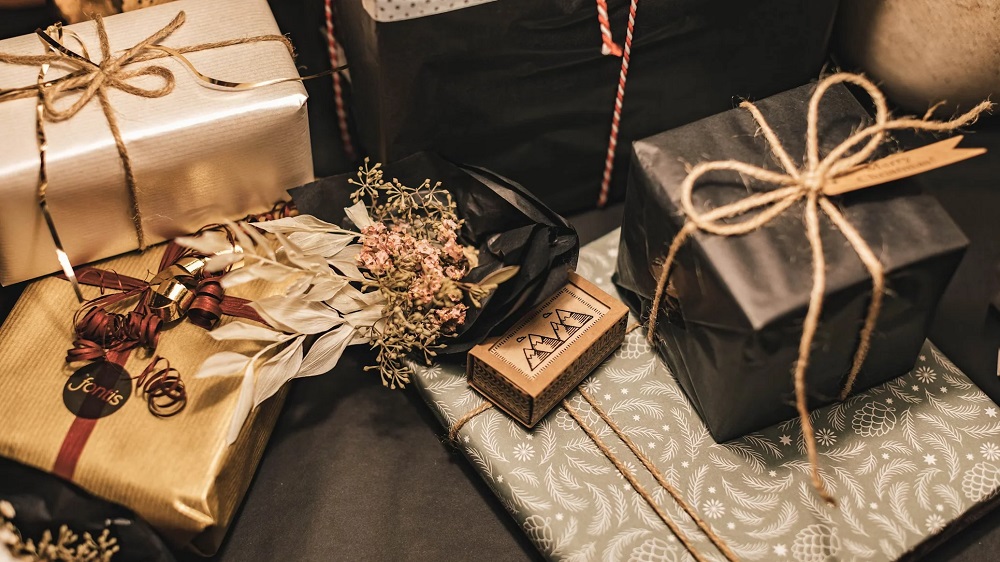
The physical act of unwrapping a gift triggers profound emotional responses. Even the finest item will lose its luster if handed over in a wrinkled grocery bag or an uninspired commercial gift bag. Conversely, thoughtful, high-end packaging can make a fifteen-dollar gift feel like an exclusive, bespoke treasure.
To create an editorial unwrapping experience on a budget, apply disciplined packaging principles:
-
Use heavy, tactile wrapping papers: Discard thin, glossy holiday wrap that tears on sharp box corners. Choose heavy brown kraft paper, ribbed butcher paper, or matte solid-color gift wraps. Kraft paper provides an artisanal, grounded foundation that looks intentional and refined.
-
Ditch adhesive plastic tape for natural twine and fabric ribbons: Fasten packages using natural jute twine, raw linen ribbons, or cotton grosgrain ribbons rather than standard plastic tape and sticky synthetic bows.
-
Incorporate seasonal botanical elements: Tuck a sprig of fresh rosemary, a dried eucalyptus branch, a whole cinnamon stick, or a small pressed fern leaf beneath the twine bow. This botanical accent adds organic color, visual depth, and a subtle natural aroma.
-
Include a handwritten, heavy cardstock note: A thoughtful, heartfelt message written in ink on heavy cotton cardstock anchors the gift with emotional resonance, turning an affordable present into a cherished keepsake.
Affordable gifting is an exercise in creativity, observation, and intentional curation. By identifying items that emphasize authentic materials, practical daily utility, and refined sensory details, you can present gifts that feel undeniably luxurious while remaining financially grounded.
Frequently Asked Questions
What makes an affordable gift appear cheap rather than thoughtful?
Gifts appear cheap when they rely on poor-quality synthetic materials, carry visible and garish commercial logos, feature fragile moving parts, or function as purposeless novelties that clutter living spaces. An item that tries to replicate a complex, multi-thousand-dollar luxury good with cheap plastic components will always feel disappointing. Focusing on simple, durable, and practical objects made from authentic materials ensures high perceived value.
How can you give an affordable gift to someone who already has everything?
When gifting to individuals who possess ample material means, avoid decorative knick-knacks and focus on premium consumables or functional everyday upgrades. Artisanal food items, rare loose-leaf teas, single-origin whole coffee beans, hand-harvested honey, or high-end natural beeswax candles provide luxurious sensory experiences that can be consumed and enjoyed without creating permanent household clutter.
Are personalized or monogrammed gifts always better for projecting luxury?
Not necessarily. While a tastefully placed, blind-debossed monogram on a leather journal or wallet can elevate an item, large, colorful, or poorly executed personalized printing can make a product look cheap and amateurish. If you choose to personalize a gift, ensure the typography is clean, understated, and small, positioning it subtly on the interior or corner of the item rather than across the primary surface.
What is the best way to assemble a luxury-style gift basket on a budget?
To build a budget basket that looks upscale, avoid massive woven baskets stuffed with crinkled shredded plastic paper. Instead, choose a small, purposeful container like a wooden berry crate, an enamel washbasin, or a canvas market tote. Curate three or four tightly coordinated, high-quality items around a single cohesive theme, such as an evening pasta kit with bronze-die noodles and truffle oil, rather than filling a large container with dozens of cheap, unrelated sample items.
How do you determine whether leather goods are actually high quality before buying?
Examine the product label, the edges, and the scent. Authentic high-grade leather is labeled as full-grain or top-grain, whereas cheap scraps bonded with polyurethane are marketed as genuine leather or bonded leather. High-quality leather smells earthy, rich, and sweet, never like harsh chemicals or petroleum plastic. Furthermore, look for clean edge paint or burnished edges with tight, even stitching that uses heavy waxed thread.
Is it acceptable to give everyday household essentials as gifts?
Yes, provided those essentials represent an elevated, luxurious version of the item that the recipient would rarely buy for themselves. Gifting basic plastic kitchen tools feels mundane, but gifting a hand-carved olivewood stirring spoon, an imported block of olive-oil dish soap, or a heavy linen bread bag feels intentional, elegant, and useful. The key is elevating the material and design of a daily touchpoint.
How can you keep a collection of small gifts organized throughout the year to save money?
Maintain a designated gift storage tote in a cool, dark closet and purchase high-quality items throughout the year when you spot clearance sales, boutique seasonal closeouts, or local craft fairs. Stock up on versatile, non-perishable goods like heavy brass pens, neutral wool throws, pure beeswax candles, and timeless hardbound journals. Having a curated selection of refined gifts on hand eliminates last-minute panic buying and helps you stick to your budget.