

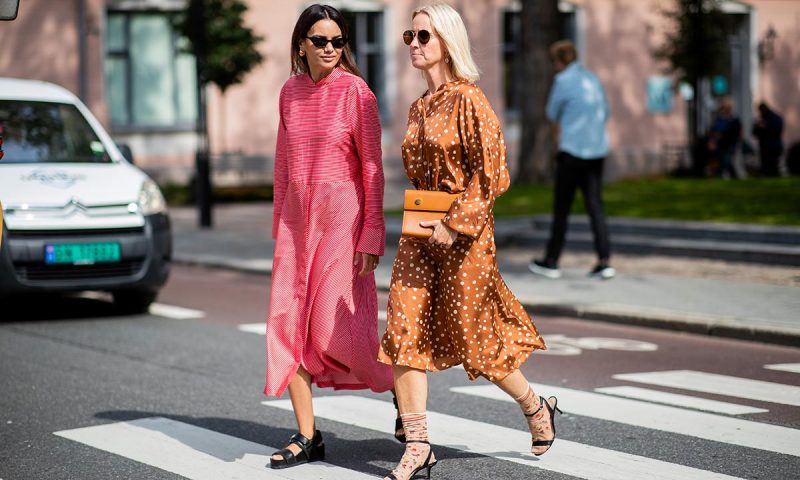
Have you ever put on an outfit that looked stunning on a retail hanger or an online model, only to look in the mirror and feel washed out, tired, or strangely sallow? Conversely, you have likely worn a simple shirt that immediately brought out your eyes, gave your face a natural glow, and prompted spontaneous compliments throughout the day.
The difference between these two experiences rarely comes down to tailoring or clothing fabric alone. It is almost always a matter of color harmony.
Color theory in personal styling is not about following rigid, outdated rules that restrict personal expression. Rather, it is a practical roadmap for understanding how external pigments interact with the natural undertones of your skin. When your clothing aligns with your natural coloring, the fabric reflects light in a way that complements your features, minimizes shadows under your eyes, and makes your complexion appear vibrant and rested. Learning how to match fabric shades to your specific skin tone is one of the most effective ways to elevate your everyday wardrobe and shop with lasting confidence.
Decoding the Difference Between Surface Tone and Undertone
To build a wardrobe that highlights your appearance, you must first master the distinction between surface tone and undertone. Many people mistake one for the other, leading to years of choosing the wrong color palettes.
Surface tone is the visible depth of pigment on your skin. It is what people describe when they say someone has fair, light, medium, tan, deep, or rich skin. Surface tone is dynamic. It can shift across seasons through sun exposure, tanning, skin conditions like rosacea, or the natural aging process.
Undertone, on the other hand, is the subtle, muted hue resting just beneath the surface of the skin. Unlike surface tone, your undertone remains completely consistent throughout your entire life. It does not change whether you are pale in the middle of winter or deeply tanned after a week at the beach. In human physiology, undertones fall into three core categories:
-
Warm undertones: Skin carrying golden, yellow, peach, or honey pigments.
-
Cool undertones: Skin carrying blue, pink, red, or rosy pigments.
-
Neutral undertones: Skin that maintains an even balance of warm and cool pigments, without an obvious pull toward pink or golden shades.
It is a common myth that only fair-skinned people have cool undertones or that all dark-skinned individuals have warm undertones. A very fair individual can possess a warm, golden undertone, while a person with deep, rich ebony skin can carry striking cool, blue-violet undertones. Identifying your undertone correctly is the true foundation of color styling.
Reliable Methods to Identify Your Underlying Pigment
Before selecting your ideal clothing colors, you need to determine where your skin falls on the temperature spectrum. You do not need professional equipment to figure this out. A few simple diagnostic tests can provide the answer.
The Natural Light Vein Test
Stand near an open window during peak daylight hours, avoiding artificial lighting that can cast warm yellow or cool fluorescent hues. Turn your wrists upward and examine the veins running through your inner wrist:
-
Cool indicator: If your veins appear predominantly blue or purple, you have cool undertones.
-
Warm indicator: If your veins look distinctly greenish or olive, you have warm undertones. The green tint occurs because the blue vein is viewed through yellow-toned skin.
-
Neutral indicator: If you see an even mix of blue and green, or if you find it nearly impossible to distinguish one clear color, you likely have neutral undertones.
The White Fabric Evaluation
Remove any makeup, pull your hair back away from your face, and hold a piece of stark, bright pure white fabric under your chin in natural lighting. Then, swap it for an off-white, cream, or ivory fabric:
-
Cool indicator: If the bright, pure white fabric illuminates your skin while the off-white makes you look muddy or washed out, you lean cool.
-
Warm indicator: If the soft cream or ivory fabric makes your face look healthy, whereas the pure white feels harsh and stark, you lean warm.
-
Neutral indicator: If you look equally balanced and healthy against both shades, you fall into the neutral spectrum.
The Metal Jewelry Comparison
Think about how standard fine jewelry interacts with your bare skin:
-
Cool indicator: Polished silver, platinum, and white gold make your skin appear clean, bright, and vibrant.
-
Warm indicator: Rich yellow gold, bronze, and brass enhance your natural warmth and make your complexion glow.
-
Neutral indicator: Both silver and gold look harmonious and flattering against your skin.
Best Clothing Colors for Warm Undertones
Individuals with warm undertones look their absolute best in colors that mirror the natural hues found in autumn foliage, golden sunsets, and rich terrestrial landscapes. These shades reflect the underlying peach and gold pigments in the skin, giving the face a radiant finish.
-
Earthy neutrals: Rich camel, warm taupe, cream, golden tan, espresso brown, and warm beige provide a superior base compared to stark black or cool grey.
-
Fiery primaries and secondaries: Rust red, terracotta, burnt orange, amber, mustard yellow, and warm peach bring out natural vitality.
-
Warm greens and blues: Olive green, moss, forest green, warm teal, and turquoise provide a striking complement to warm skin without clashing against golden undertones.
Colors to approach with care: Avoid icy pastels, frosty blues, harsh magenta, and cold silvers. These pigments reflect cool light that can make warm skin appear tired, dull, or faintly sickly.
Best Clothing Colors for Cool Undertones
Those with cool undertones thrive when draped in colors inspired by winter landscapes, deep bodies of water, and vibrant gemstones. Crisp, saturated, and blue-based shades sharpen the features of cool-toned individuals, creating a polished, alert appearance.
-
Crisp neutrals: Stark optical white, slate grey, deep charcoal, navy blue, and pure black form an exceptional, high-contrast foundation for cool skin.
-
Jewel tones: Classic sapphire blue, rich royal purple, deep emerald green, ruby red, and amethyst provide dramatic, flattering depth.
-
Vibrant berry hues: Raspberry, cranberry, fuchsia, plum, and cool lilac enhance the natural pink and blue undertones of the skin.
-
Icy accents: Powder blue, frosted mint, and soft lavender work well as delicate contrast shades.
Colors to approach with care: Steer clear of mustard yellow, dull burnt orange, muted terracotta, and muddy yellowish-greens. These earthy tones fight directly against cool pigments, often casting an unflattering, sallow tone over the face.
Best Clothing Colors for Neutral Undertones
If you have neutral undertones, you have won the biological lottery when it comes to styling flexibility. Because your skin maintains a balance between warm and cool pigments, you can wear colors from both sides of the color wheel with relative ease. However, neutral complexions shine brightest in colors that are neither aggressively warm nor intensely icy.
-
Balanced neutrals: Heather grey, soft off-white, rich chocolate brown, and washed charcoal look understated and refined.
-
Muted and soft tones: Dusty rose, jade green, soft seafoam, muted mauve, and dove grey accentuate the natural balance of neutral skin.
-
True primaries: True red, standard cobalt blue, and classic emerald green that do not lean too heavily toward yellow or blue look stunning.
Colors to approach with care: Avoid extremely intense, oversaturated neon shades like electric chartreuse or blazing highlighter pink. These aggressive pigments can easily overpower the delicate harmony of neutral skin, drawing attention to the clothing rather than to the person wearing it.
Universal Colors That Look Flattering on Everyone
There are a handful of universally flattering shades that work across every single undertone and depth of complexion. These colors possess a balance of warm and cool wavelengths, allowing them to adapt seamlessly to whoever wears them:
-
True pure red: A balanced red that contains neither an obvious orange tint nor a dominant blue base looks striking on all skin tones.
-
Blush pink: A soft, dusty blush pink reflects light gently across fair, medium, and deep complexions alike, adding a touch of natural warmth without overwhelming subtle undertones.
-
Deep navy: Navy blue provides all the structure, sophistication, and slimming impact of standard black, but with a softer intensity that never washes out lighter skin or clashes with rich dark skin.
-
Teal: Teal strikes an ideal balance between deep blue and lush green, making it a reliable wardrobe staple for warm, cool, and neutral individuals.
Building a Cohesive Wardrobe Around Your Color Palette
Discovering your optimal colors does not mean you must discard your favorite clothes or restrict your wardrobe to a handful of items. Strategic styling is all about positioning:
-
Focus on fabrics near your face: The colors that matter most are the ones worn directly around your neckline, including shirts, jackets, scarves, hats, and collars. If you love a shade that technically clashes with your undertone, wear it as a pair of pants, a skirt, or shoes, keeping your flattering shades near your face.
-
Experiment with strategic layering: If you must wear a company-mandated uniform or a suit in an unflattering color, use an inner collared shirt or a silk scarf in one of your best power shades to create a flattering buffer zone.
-
Use accessories as personal bridges: A necklace, pair of statement earrings, or pair of glasses in your most flattering metal can anchor an outfit and restore balance to your overall appearance.
Knowing your color profile transforms getting dressed from an uncertain guessing game into an intuitive, creative routine. When you wear shades that complement your natural undertones, you present a confident, vibrant image to the world, letting your personal style shine through.
Frequently Asked Questions
Can your skin undertone change if you get a deep sun tan?
No, your undertone never changes. While prolonged sun exposure increases melanin production in the upper layers of the epidermis, shifting your surface tone to a deeper shade, the underlying pigments beneath the skin remain identical. A cool-toned person will simply become a tanner cool-toned person, and a warm-toned person will become a deeper warm-toned person.
How does hair color affect the clothing colors you should wear?
Natural hair color usually shares the same temperature as your skin undertone, creating organic harmony. However, if you dye your hair a shade that directly contradicts your skin undertone, such as dyeing cool-toned skin with bright brassy copper hair, it can create visual conflict. While skin undertone remains the primary guide for clothing, matching your clothing palette to harmonize with both your undertone and your current hair color creates the cleanest overall look.
Why do some people look washed out in standard black clothing?
While black is widely marketed as a universal, slimming neutral, true optical black is an intense, saturated cool shade. On individuals with very fair, warm, or muted complexions, solid black absorbs light and casts harsh shadows under the jawline and around the eyes, exaggerating dark circles and fatigue. People who struggle with stark black often look far healthier and more striking in charcoal grey, rich navy, or deep espresso brown.
What is an olive skin tone and which colors suit it best?
Olive skin is unique because it features a subtle greenish cast resulting from a natural mix of yellow surface pigments and cool green undertones. Olive complexions can lean either warm-olive or cool-olive, but they consistently look exceptional in rich jewel tones, deep emerald, warm plum, burnt orange, and sophisticated earth tones like sage and olive green. Extremely bright pastels and neon pinks tend to make olive skin look dull or ashen.
Can individuals with cool undertones wear yellow clothing?
Yes, but they must select the correct variation of yellow. People with cool undertones should avoid warm, golden yellows like mustard, sunflower, and butterscotch. Instead, they should look for cool-toned yellows that contain a slight greenish or blue influence, such as crisp lemon yellow, pale icy yellow, or citron.
How does lighting in clothing stores distort color matching?
Most retail dressing rooms utilize artificial fluorescent or heavy warm-tinted overhead lighting designed to enhance fabric textures or create an inviting ambiance. These lights alter how pigments reflect off human skin, often masking real undertones. To accurately assess whether a clothing color suits your complexion, step out of the dressing room stall into natural daylight, or check the garment near an exterior window before purchasing.
If a clothing color makes someone look good, does that mean all shades of that color will work?
Not necessarily. Color temperature and saturation vary widely within a single color family. For example, a warm-toned individual might look radiant in an orange-based tomato red, but look washed out in a blue-based cherry red or cool burgundy. When evaluating a color, always consider its underlying warmth, coolness, and saturation rather than just the general color name.