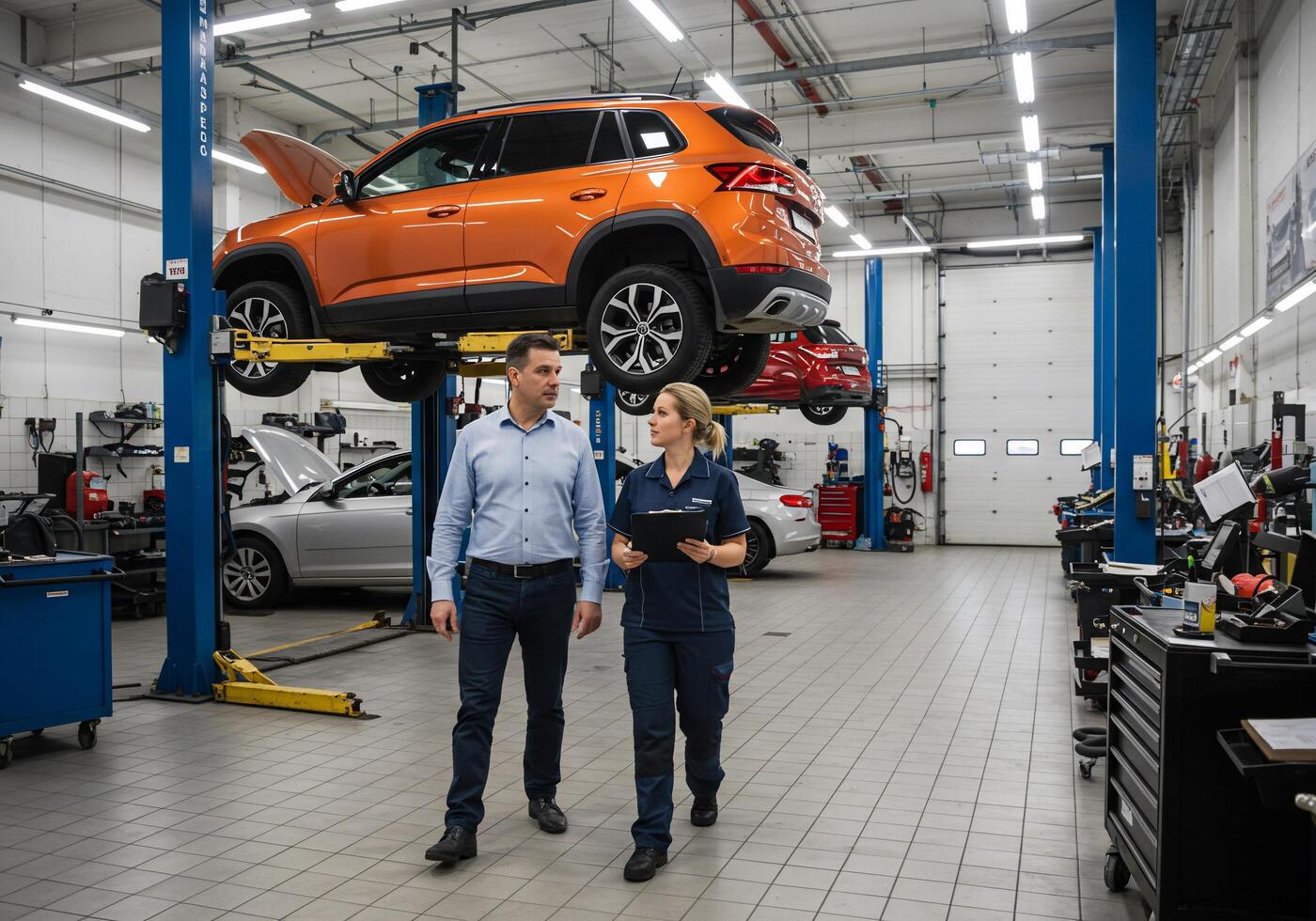

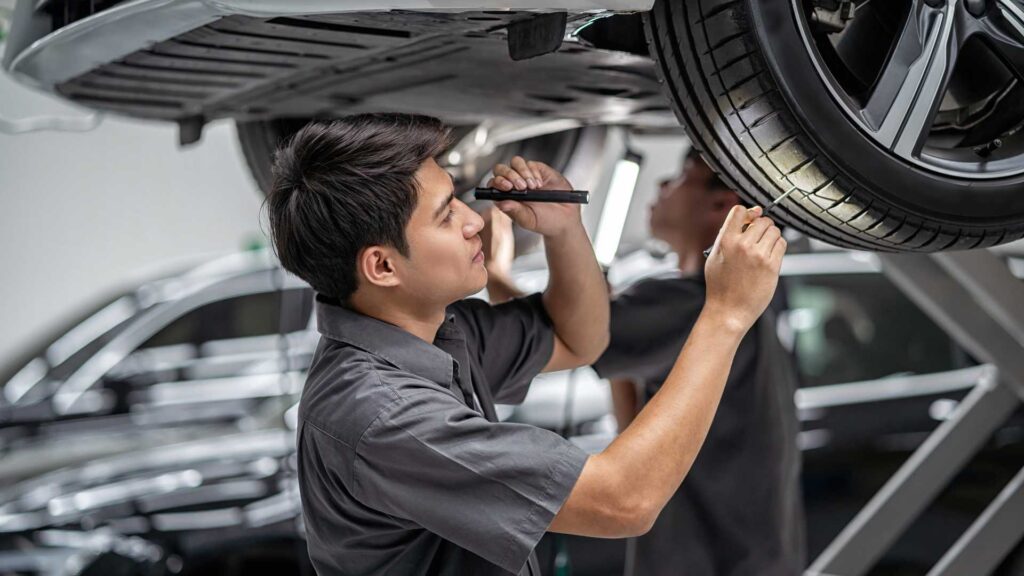
Artificial Intelligence (AI) is redefining the modern automotive service industry. What once took hours of manual diagnostics and mechanical guesswork can now be accomplished in minutes using data-driven analysis. As vehicles become more advanced, featuring integrated sensors, complex computer systems, and electric powertrains, auto repair shops use AI for faster problem detection to keep up with these technological shifts. This transformation is not only improving the accuracy and speed of vehicle repairs but also changing the very foundation of how maintenance is performed.
The Growing Complexity of Vehicle Diagnostics
Over the past two decades, cars have evolved into intelligent machines. Modern vehicles are equipped with hundreds of electronic control units (ECUs) and thousands of sensors monitoring everything from tire pressure to fuel injection timing. Traditional diagnostic methods are no longer sufficient to pinpoint intricate issues hidden within a web of interconnected systems.
AI bridges this gap by interpreting complex sensor data, identifying patterns, and suggesting precise repair actions. Using algorithms trained on massive data sets, AI diagnostic systems can recognize problems that might otherwise take a human technician hours to detect.
Why Traditional Methods Fall Short
- Manual inspections often rely on experience and subjective judgment.
- Mechanical issues can overlap with software-related malfunctions, complicating diagnosis.
- Vehicle systems have become so digitally intertwined that one fault can trigger multiple warning codes.
AI solves these challenges by using pattern recognition and predictive analytics to identify the root cause of problems in record time.
How AI-Powered Diagnostics Work
AI-driven diagnostic systems combine advanced hardware tools with machine learning software to analyze a vehicle’s performance in real time. These platforms draw information from on-board diagnostics (OBD-II) systems, telematics data, and cloud-based databases to provide actionable insights.
Step-by-Step AI Diagnostic Process
- Data Extraction – The AI system retrieves data from the vehicle’s sensors, control modules, and error codes.
- Pattern Analysis – Machine learning algorithms compare the data to historical trends, manufacturer standards, and similar repair cases.
- Anomaly Detection – The AI flags irregularities that deviate from normal parameters.
- Root Cause Prediction – Instead of listing multiple possible faults, AI narrows down the most likely cause.
- Repair Recommendation – The system provides step-by-step guidance, recommended parts, and even estimated labor time.
This process enables technicians to move directly from diagnosis to solution, saving both time and cost for repair shops and customers.
Machine Learning and Predictive Maintenance
One of the most transformative applications of AI in automotive repair is predictive maintenance. Instead of waiting for a part to fail, AI can forecast potential breakdowns before they occur. This is achieved by analyzing historical performance data, driving behavior, and sensor readings over time.
Predictive Maintenance in Action
- Battery Health Analysis: AI tracks voltage drops and temperature changes to predict when a battery will fail.
- Brake Wear Forecasting: By monitoring pressure patterns and mileage, AI can alert the shop before pads or rotors degrade.
- Engine Performance Tracking: Continuous learning models detect performance losses related to injectors, fuel pumps, or airflow sensors.
The result is a smarter maintenance schedule that minimizes unexpected breakdowns and extends vehicle lifespan.
AI-Powered Diagnostic Tools in Auto Shops
AI integration is reshaping the tools used in auto repair facilities. From handheld scanners to cloud-connected diagnostic systems, AI tools are evolving rapidly.
Types of AI Diagnostic Tools
- Smart Scanners: Portable devices powered by AI can instantly read and interpret fault codes from multiple car brands, providing technicians with precise fault analysis.
- AI-Enhanced Software Platforms: These systems connect to shop management software and vehicle data hubs, comparing real-time readings with millions of known cases.
- Camera-Based Analysis Tools: AI-driven cameras inspect body alignment, tire tread depth, and undercarriage wear automatically.
- Voice-Assisted Diagnostic Interfaces: Technicians can verbally interact with the system to ask for suggestions, part compatibility, or troubleshooting sequences.
These innovations significantly reduce diagnostic turnaround time, helping repair shops increase throughput and improve service accuracy.
The Role of Telematics and IoT in AI Diagnostics
Telematics and the Internet of Things (IoT) play a vital role in enabling AI diagnostics. Modern vehicles are essentially rolling computers connected to cloud servers. They continuously send performance data, which AI systems use to monitor health remotely.
How Telematics Enhances AI Diagnostics
- Continuous Monitoring: Real-time data streams allow AI to identify irregularities even before a warning light appears.
- Remote Troubleshooting: Technicians can analyze a vehicle’s performance remotely and recommend service actions instantly.
- Fleet Optimization: AI can aggregate data from multiple vehicles in a fleet, identifying widespread issues or optimizing maintenance schedules.
For example, a commercial fleet using AI-based telematics can detect and address engine irregularities across hundreds of trucks, preventing costly downtime and improving overall operational efficiency.
Integration with Cloud and Big Data Systems
The effectiveness of AI diagnostics largely depends on access to extensive data sources. Cloud computing allows AI systems to tap into massive databases of vehicle performance metrics, repair histories, and manufacturer specifications. This integration creates a collective intelligence that constantly improves diagnostic accuracy.
Benefits of Cloud Integration
- Real-Time Data Sharing: Repair shops can instantly access updated fault libraries and repair procedures.
- Collaborative Learning: Each new diagnostic case contributes data to the AI’s central knowledge base, enhancing system intelligence.
- Scalability: Shops of any size can use cloud-based AI tools without heavy infrastructure costs.
- Cross-Vehicle Compatibility: Cloud systems allow technicians to service multiple makes and models using one platform.
The combination of AI, cloud storage, and Big Data ensures that diagnostics are not only fast but continually improving with each use.
AI in Electric and Hybrid Vehicle Diagnostics
Electric vehicles (EVs) and hybrids have added new layers of complexity to automotive repair. Their systems rely heavily on software, power electronics, and advanced sensors. Traditional diagnostic techniques cannot fully interpret the data from electric drivetrains, regenerative braking systems, or battery management units.
AI addresses these challenges by analyzing voltage patterns, thermal fluctuations, and charge cycles to detect potential issues before they escalate. For example, AI can monitor battery degradation in EVs and alert technicians to irregular charge distribution or thermal imbalance long before the system fails.
Common Areas Where AI Assists in EV Diagnostics
- Battery Health Monitoring
- Thermal Management Systems
- Inverter and Converter Performance
- Software Glitches and Firmware Updates
This proactive approach keeps electric vehicles safer and extends the operational life of their most expensive components.
Advantages of AI in Auto Repair Diagnostics
AI integration provides measurable advantages for both shops and customers. These benefits go beyond faster repairs—they enhance transparency, reliability, and long-term vehicle performance.
Key Advantages Include:
- Faster Diagnosis: AI identifies the issue within minutes, reducing waiting time.
- Improved Accuracy: Eliminates trial-and-error troubleshooting, preventing unnecessary part replacements.
- Cost Efficiency: Shorter labor hours translate to lower repair bills.
- Customer Trust: Transparent, data-driven reports help customers understand the repair process.
- Continuous Learning: The AI system grows smarter with each diagnosis, enhancing future accuracy.
These benefits collectively improve shop efficiency, increase customer retention, and set higher service standards across the industry.
The Human Element in AI Diagnostics
Despite AI’s growing role, the human technician remains indispensable. AI excels at pattern recognition and data interpretation, but human judgment is still essential for confirming findings, performing mechanical repairs, and ensuring safety compliance. The ideal model combines AI’s computational precision with human expertise.
How Technicians and AI Work Together
- AI provides the diagnostic foundation, while technicians apply physical inspection and repair expertise.
- Human oversight prevents false positives or missed context that algorithms may overlook.
- Technicians input feedback into the AI system, improving future predictions and performance.
This collaboration creates a balanced and efficient workflow that blends human intuition with digital intelligence.
Training and Skills for the AI-Driven Workshop
As AI continues to evolve, auto technicians must upgrade their skills to remain competitive. The modern repair professional is as much a data analyst as a mechanic. Training programs are now incorporating AI diagnostics, software operation, and digital troubleshooting into their curricula.
Core Skills for Future Auto Technicians
- Proficiency in AI-powered diagnostic software
- Understanding of data analytics and machine learning basics
- Familiarity with EV systems and high-voltage safety
- Continuous education on emerging AI updates and calibration standards
Workshops that invest in skill development will not only stay ahead of competitors but also provide superior customer experiences.
FAQs About AI in Auto Repair Diagnostics
Q1: How does AI differ from traditional vehicle diagnostic tools?
AI doesn’t just read fault codes—it interprets data, identifies trends, and predicts future failures. Traditional scanners only show what’s wrong; AI systems explain why it’s happening.
Q2: Can AI misdiagnose vehicle problems?
AI accuracy depends on data quality. While errors can occur, machine learning systems improve continuously, reducing misdiagnoses over time when paired with human validation.
Q3: Is AI useful for older vehicles?
While most effective in newer, sensor-equipped vehicles, AI can still analyze engine patterns and diagnostic data from older cars with OBD-II compatibility.
Q4: Will AI make auto technicians obsolete?
No. AI enhances, not replaces, human expertise. It handles data analysis while technicians perform physical repairs and confirm diagnostics.
Q5: What is the cost implication of AI diagnostics for consumers?
Although shops invest in advanced software, the faster turnaround and reduced labor hours often make AI-assisted repairs more affordable in the long run.
As AI continues to transform the automotive repair landscape, auto repair shops use AI for faster problem detection to deliver precision, speed, and reliability that were once unimaginable. The fusion of machine learning, cloud computing, and human expertise marks a new chapter in automotive service—one where vehicles and technology communicate seamlessly to keep the roads safer and the repair process smarter.