

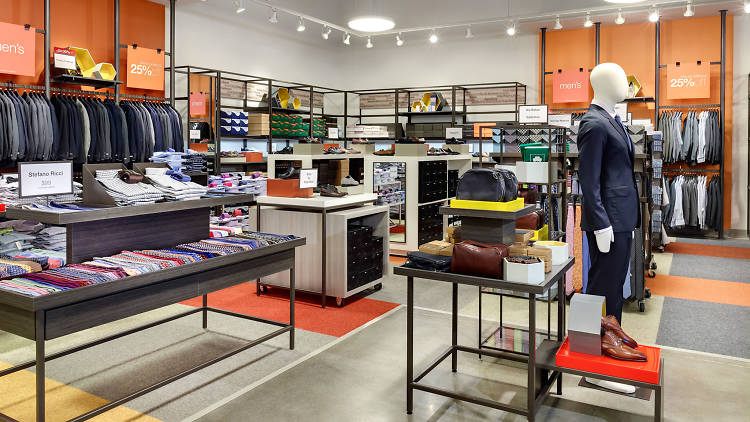
The Rise of the Outlet Store Concept
An outlet store has become one of the most influential retail models in the modern consumer economy. Once seen as a place to buy discounted, past-season items, outlet stores have evolved into sophisticated shopping destinations offering exceptional value, variety, and accessibility. These stores bridge the gap between luxury and affordability, giving shoppers access to high-quality branded products at reduced prices. As retail landscapes shift and digital transformation continues, the outlet store stands as a resilient model that continues to attract both cost-conscious and brand-loyal consumers.
Understanding What an Outlet Store Truly Represents
The term outlet store often brings to mind large shopping centers filled with discounts, but its meaning extends far deeper. At its core, an outlet store is a retail space where manufacturers sell products directly to consumers, often at lower prices than traditional retail stores. The items can include overstock, slightly imperfect goods, or exclusive outlet-only collections designed to maintain affordability while preserving brand appeal. Modern outlet stores also integrate digital components, offering online shopping experiences that mirror the deals and exclusivity of physical outlets.
Why Outlet Stores Continue to Thrive in the Retail Landscape
The outlet store model remains strong because it satisfies multiple economic and emotional needs of today’s consumers. In a society where people seek both value and authenticity, these stores deliver on both fronts. The growth of this sector can be attributed to several key factors:
- Affordability with Quality: Shoppers can enjoy branded goods without paying full retail prices.
- Emotional Satisfaction: Finding high-value deals triggers a psychological reward, reinforcing positive buying behavior.
- Brand Accessibility: Outlet stores introduce premium or luxury brands to a broader audience, fostering brand loyalty.
- Inventory Optimization: Brands use outlets to move excess inventory efficiently without devaluing their image.
The Business Model Behind an Outlet Store
To understand the success of an outlet store, one must look into its underlying business model. Retailers and manufacturers use this format strategically to balance profitability, customer engagement, and brand management.
Direct-to-Consumer Advantage
Unlike traditional retail models that involve multiple intermediaries, outlet stores often operate under a direct-to-consumer structure. This eliminates distribution costs and allows brands to offer significant discounts while maintaining profit margins.
Inventory Segmentation
Outlet stores categorize merchandise into three main types:
- Overstock Items – Unsold inventory from regular retail stores.
- Factory Seconds – Products with minor imperfections that do not affect usability.
- Exclusive Outlet Collections – Specially designed products made for outlet distribution, offering value without compromising brand quality.
Geographic Strategy
Outlet stores are often located outside major city centers or near highways to reduce rental expenses and attract destination shoppers. Their placement encourages customers to travel specifically for deals, which increases basket size and shopping frequency.
The Digital Transformation of Outlet Shopping
In recent years, the concept of the outlet store has expanded into the online domain, combining the thrill of deal-hunting with the convenience of eCommerce. Many brands now operate dedicated outlet websites or sections on their online stores. This evolution has introduced new dimensions of accessibility and engagement for consumers.
Online Outlet Stores: Expanding Reach and Accessibility
Online outlet stores offer a curated selection of discounted goods while ensuring brand authenticity. These platforms appeal to tech-savvy shoppers who prefer digital convenience. Features like dynamic pricing, personalized offers, and flash sales create excitement similar to in-person shopping. The inclusion of online-exclusive deals also encourages repeat visits and loyalty.
Omnichannel Integration
Brands that operate both physical and digital outlets benefit from seamless omnichannel integration. Customers can research products online, reserve them, and pick them up in-store, combining the best aspects of digital and physical shopping. Such strategies help increase conversion rates while enhancing the overall shopping experience.
The Psychology of Outlet Shopping
The success of outlet stores goes beyond pricing—it’s rooted in consumer psychology. Shoppers associate outlet stores with opportunity, discovery, and exclusivity. The sense of “getting more for less” creates an emotional connection that influences repeat behavior.
The Thrill of the Hunt
Outlet shopping often feels like treasure hunting. Consumers enjoy browsing multiple aisles, uncovering hidden gems, and securing items at significant discounts. This discovery-based shopping experience stimulates excitement and satisfaction.
Perceived Value and Status
Even though prices are lower, consumers still feel a sense of prestige when purchasing branded items. Outlet stores let customers experience luxury without guilt, creating a perception of smart, informed buying.
Social Influence
Sharing deals and outlet finds on social media reinforces the appeal. Shoppers gain social validation by showcasing their ability to find high-quality products at great prices, amplifying the outlet store’s marketing reach organically.
The Impact of Sustainability on Outlet Stores
Sustainability has become a core part of the retail conversation, and outlet stores play an important role in reducing waste. Instead of discarding overstock or imperfect products, brands reroute them to outlet channels, extending product life cycles and reducing environmental impact.
Eco-Friendly Operations
Many modern outlet centers incorporate sustainable infrastructure such as energy-efficient lighting, recycling initiatives, and green building certifications. The combination of eco-friendly operations and sustainable product distribution strengthens a brand’s ethical reputation.
Circular Economy Integration
Some brands have begun incorporating repair services, buy-back programs, and recycling initiatives at outlet locations, turning them into circular economy hubs. This approach aligns profit with purpose while deepening consumer loyalty.
Design and Experience in Modern Outlet Stores
Today’s outlet stores go far beyond rows of discounted products. They have transformed into lifestyle destinations designed to provide memorable, immersive experiences.
Architecture and Layout
Outlet centers often feature open-air layouts, landscaped pathways, and aesthetically pleasing storefronts that mimic the ambiance of premium malls. This environment encourages longer visits and higher spending.
Customer Experience Focus
To elevate the shopping journey, many outlets include cafés, entertainment zones, and personalization kiosks. These elements create a leisurely and enjoyable environment where shopping becomes an experience rather than a task.
Smart Technology Implementation
Digital kiosks, interactive maps, and real-time deal notifications are becoming common. Integrating technology into physical spaces enhances efficiency and convenience for shoppers.
Future Trends Shaping the Outlet Store Industry
The outlet store model continues to evolve with shifting consumer preferences and technological innovation. Several emerging trends are redefining how outlet stores operate and engage customers:
- AI-Powered Personalization: Machine learning tools help tailor promotions and recommend products based on individual preferences.
- Virtual Try-Ons: Augmented reality (AR) technology allows customers to preview products before purchase, enhancing confidence and reducing returns.
- Membership and Loyalty Programs: Exclusive memberships with early access or special discounts strengthen repeat business.
- Pop-Up Outlets: Temporary outlet spaces in high-traffic areas bring deals closer to urban consumers.
- Sustainable Collections: Brands increasingly use outlet channels to promote eco-friendly and ethically produced items.
How Outlet Stores Benefit Manufacturers and Consumers Alike
Outlet stores serve a dual purpose: they benefit both manufacturers and shoppers in meaningful ways. For manufacturers, they offer a controlled way to move inventory, protect pricing structures, and maintain brand integrity. For consumers, they provide affordable access to quality products, reducing financial barriers to premium goods. This symbiotic relationship keeps the outlet model thriving despite shifts in consumer habits and market trends.
FAQ
Q1: Are outlet store products lower quality than those in regular retail stores?
Not necessarily. Many items in outlet stores are overstock or older-season products. While some products are made specifically for outlets, they still meet brand quality standards, offering strong value for money.
Q2: How do outlet stores differ from discount retailers?
Outlet stores are operated directly by the manufacturer or brand, ensuring authenticity and consistent quality. Discount retailers, on the other hand, often resell products from multiple brands without direct brand management.
Q3: Are online outlet stores trustworthy?
Yes, as long as you purchase directly from official brand outlets or verified partners. Authentic online outlets maintain the same standards of quality and customer service as their physical counterparts.
Q4: How often do outlet stores update their inventory?
Most outlet stores update stock regularly, often on a weekly or monthly basis. This creates a dynamic shopping experience where customers frequently encounter new products and deals.
Q5: Why are outlet stores usually located outside city centers?
Outlet stores are strategically placed in suburban or outlying areas to reduce operational costs and attract destination shoppers. This location strategy also allows for larger retail spaces and a more relaxed shopping environment.
Outlet stores embody the perfect balance between affordability, authenticity, and experience. By offering consumers access to trusted brands at compelling prices, they redefine modern retail while maintaining sustainability and emotional connection. As technology and consumer expectations continue to evolve, the outlet store will remain a cornerstone of value-driven, intelligent shopping in both physical and digital landscapes.