

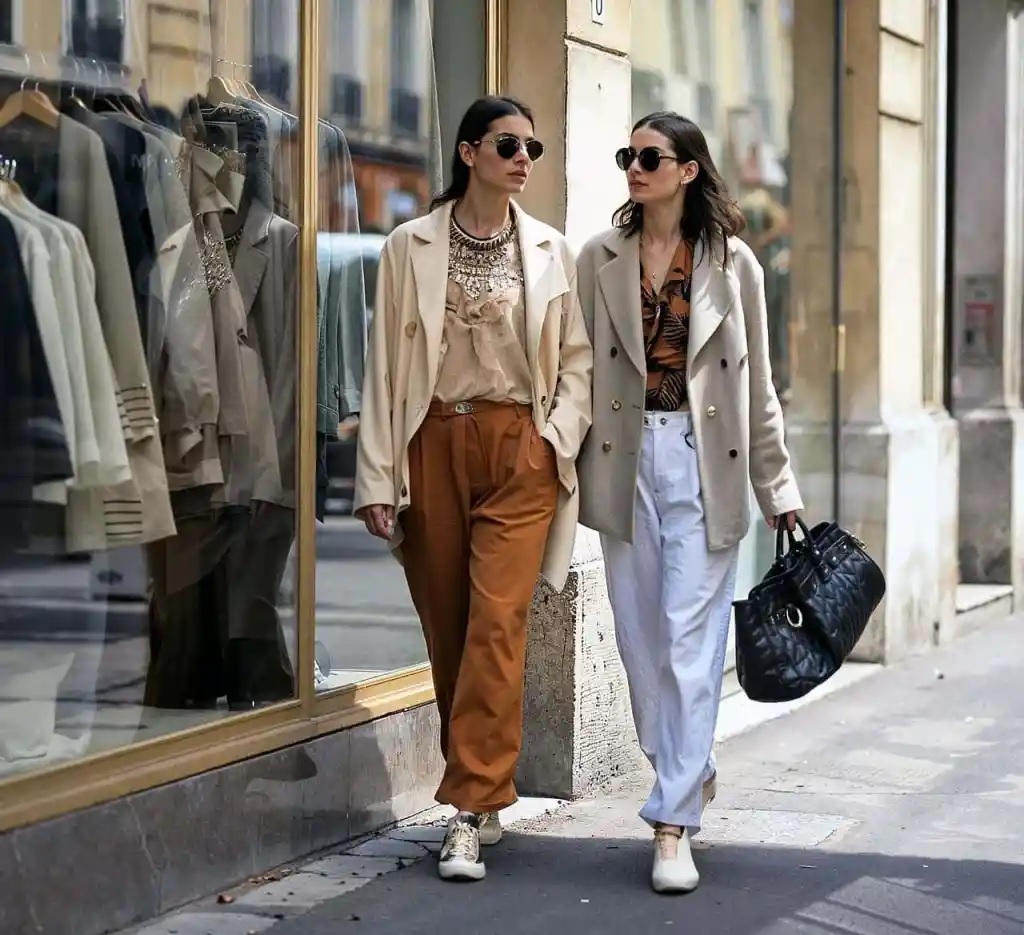
Clothing is one of the most essential aspects of human life. It serves as protection, identity, and a statement of personal taste. The evolution of clothing has always reflected cultural progress, technological innovation, and social transformation. From ancient handcrafted garments to modern sustainable fabrics, clothing defines how individuals interact with the world. Today, it represents more than comfort or modesty—it’s a language of self-expression that communicates who we are before we even speak.
The Evolution of Clothing Through Time
The history of clothing is as fascinating as human civilization itself. Early humans used animal hides and natural fibers for protection from the environment. Over time, weaving, dyeing, and tailoring developed into sophisticated crafts, giving rise to distinct cultural fashions. Ancient Egypt used linen to showcase social rank, while Rome used draped togas to indicate power and citizenship. The Middle Ages saw garments as symbols of wealth and religion. The Industrial Revolution then revolutionized clothing production, introducing machines that made fabric affordable and accessible. Today, digital fashion, smart textiles, and sustainable fabrics represent the next chapter of clothing innovation.
Cultural Influence on Clothing
Clothing reflects cultural values, traditions, and social hierarchy. In Japan, the kimono is a symbol of grace and respect. In India, sarees and turbans represent heritage and regional identity. Western suits symbolize professionalism and status. These cultural identities continue to influence global fashion, blending heritage with contemporary design. The globalization of clothing has also led to cross-cultural styles—like fusion wear—that combine comfort, tradition, and modern aesthetics.
The Functional Aspects of Clothing
While fashion often dominates conversations about clothing, functionality remains at its core. Every item of clothing serves multiple roles: protection, utility, and comfort.
Protection and Comfort
Clothing shields us from the environment. Wool keeps us warm, cotton allows breathability, and synthetics offer water resistance. Specialized fabrics, such as thermal layers or UV-resistant materials, enhance safety and performance in extreme conditions. Proper clothing also contributes to physical comfort by maintaining body temperature and preventing irritation or allergies.
Utility and Performance
Functional clothing is designed with specific purposes in mind. Sportswear, workwear, and uniforms prioritize performance and safety. For instance:
- Athletic wear: Made from moisture-wicking fabrics like polyester blends, it supports flexibility and reduces sweat buildup.
- Outdoor clothing: Includes waterproof jackets and UV-protective gear to withstand environmental elements.
- Occupational wear: Fire-resistant suits, lab coats, and medical scrubs combine safety and hygiene for professional use.
The Fashion Dimension of Clothing
Fashion adds creativity, artistry, and emotion to the concept of clothing. It transforms practical garments into powerful tools for self-expression. The fashion industry dictates trends that reflect social mood, cultural shifts, and economic climates.
Clothing as a Form of Self-Expression
What we wear communicates volumes about our personality, mood, and aspirations. People use clothing to project confidence, align with trends, or reflect individuality. For example:
- A tailored blazer conveys authority and confidence.
- Streetwear signals youth, freedom, and rebellion.
- Minimalist fashion showcases elegance and simplicity.
The rise of personal styling and capsule wardrobes has shifted focus toward intentional dressing—choosing fewer, high-quality pieces that align with one’s identity.
The Psychology of Clothing
Psychological research shows that clothing affects behavior and self-perception. This concept, known as enclothed cognition, suggests that people perform differently depending on what they wear. Wearing professional attire enhances confidence and decision-making, while casual clothing promotes relaxation. Fashion also impacts how others perceive us—making clothing a subtle yet powerful social tool.
The Materials That Define Modern Clothing
The choice of fabric is critical to how clothing looks, feels, and functions. Each material carries distinct characteristics, influencing durability, breathability, and comfort.
Natural Fibers
- Cotton: Highly breathable and hypoallergenic, ideal for everyday wear.
- Wool: Offers warmth and insulation, suitable for cold climates.
- Silk: Luxurious and lightweight, often used in formal and high-end clothing.
- Linen: Known for its cooling properties, perfect for summer wear.
Synthetic Fibers
- Polyester: Durable, wrinkle-resistant, and widely used in affordable fashion.
- Nylon: Offers elasticity and strength, often used in sportswear.
- Acrylic: Mimics wool’s softness but at a lower cost.
- Spandex (Elastane): Provides stretch, enhancing fit and flexibility.
Sustainable Fabrics
The shift toward sustainability has encouraged innovations like organic cotton, bamboo, and recycled polyester. These materials reduce environmental impact and promote ethical fashion production. Consumers now prefer eco-friendly clothing that aligns with both comfort and conscience.
The Impact of Technology on Clothing
Technology has completely transformed how clothing is produced, marketed, and worn.
Smart Textiles
Smart clothing integrates technology into fabrics, enabling features like temperature control, biometric monitoring, and posture correction. For example, fitness shirts with embedded sensors track heart rate and calories burned.
3D Printing and Digital Design
Designers now use 3D printing to create custom-fit garments and prototypes without fabric waste. Digital fashion tools simulate garments virtually before production, saving time and materials.
E-commerce and Virtual Try-Ons
Online shopping platforms now offer 3D body scans and augmented reality try-ons, helping buyers visualize fit and style before purchase. This reduces returns and enhances the shopping experience.
The Role of Clothing in Society
Clothing influences how societies define norms, identities, and values. It bridges cultural differences and shapes social interactions.
Clothing and Identity
Clothing distinguishes professional roles, religious affiliations, and cultural groups. School uniforms create unity, while formal wear signifies occasion and respect. Clothing also serves as a symbol of protest, empowerment, and solidarity, as seen in global movements that use fashion to voice social change.
Clothing and Economy
The clothing industry contributes significantly to global GDP. It generates employment in design, manufacturing, marketing, and retail. The rise of digital clothing businesses and sustainable brands has created new economic opportunities worldwide.
Building a Thoughtful Wardrobe
Creating a wardrobe that reflects both function and style involves intentional decision-making. A thoughtful wardrobe prioritizes versatility, quality, and personal alignment over quantity.
Steps to Build a Functional Wardrobe
- Assess your lifestyle: Identify your daily activities and dress needs. Professionals may need formal wear, while creative workers prefer relaxed styles.
- Invest in essentials: Items like white shirts, denim jeans, and neutral blazers form a solid foundation.
- Prioritize fit: Well-fitted clothing enhances confidence and comfort. Tailoring ensures pieces suit your body shape.
- Mix and match: Choose colors and styles that pair easily for multiple combinations.
- Add personality: Accessories, patterns, and textures allow individuality without excess.
Sustainable Wardrobe Practices
- Buy fewer but higher-quality items that last longer.
- Support ethical brands that follow fair labor and eco-friendly production.
- Recycle or donate unused clothing to reduce waste.
- Learn basic repairs to extend garment life.
The Future of Clothing
The future of clothing lies at the intersection of sustainability, personalization, and innovation. As technology evolves, clothing will become smarter, more adaptive, and environmentally responsible. Smart fabrics may adjust to body temperature automatically, and digital wardrobes could allow users to experiment with style virtually before buying. The growing demand for transparency will push brands to disclose sourcing, production, and environmental impact, empowering consumers to make informed decisions.
FAQs About Clothing
Q1: What factors should I consider before buying clothing?
Focus on fabric quality, fit, versatility, and purpose. Always check stitching, durability, and comfort rather than just price or brand.
Q2: How can I make my clothing last longer?
Follow care instructions carefully. Wash in cold water, air-dry delicate fabrics, and avoid excessive ironing or chemical cleaning.
Q3: Why is sustainable clothing becoming more important?
Sustainable clothing reduces pollution, waste, and unethical labor practices. It also supports long-term environmental balance and responsible consumption.
Q4: What are the benefits of custom-tailored clothing?
Tailored garments provide better fit, comfort, and a polished appearance. They also minimize waste by eliminating unnecessary excess fabric.
Q5: How do I balance fashion trends with timeless style?
Incorporate trends selectively while maintaining a base of classic, well-fitted pieces. This ensures you look modern without constantly replacing your wardrobe.
Clothing represents more than appearance—it’s the fabric of identity, culture, and innovation. From ancient craftsmanship to cutting-edge technology, it continues to evolve, shaping how we express ourselves and connect with the world around us.