

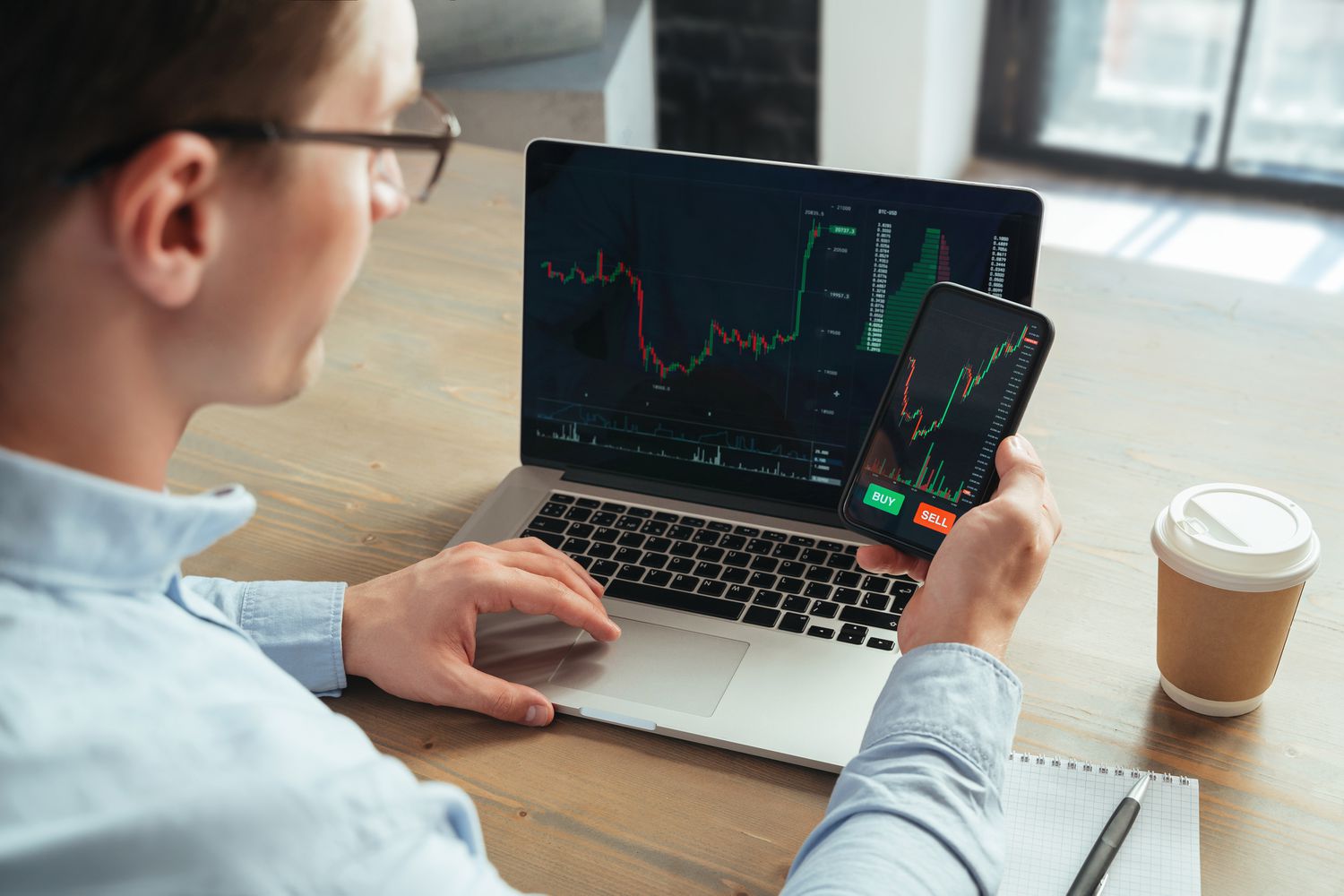
In the modern economy, the ability to buy and sell effectively is more than just a commercial activity; it’s a skill that influences financial health, lifestyle quality, and long-term success. Whether you’re navigating real estate, e-commerce, collectibles, or investments, understanding how to buy and sell strategically gives you a major advantage. The digital era has transformed these processes, offering access to global markets and instant data while also introducing new complexities that require informed decision-making. This guide explores the dynamics, techniques, and insights behind successful buying and selling to help you operate confidently in today’s competitive landscape.
Understanding the Concept of Buying and Selling
Buying and selling are fundamental economic activities that drive trade and value exchange. The buyer seeks utility, satisfaction, or profit, while the seller provides goods, services, or assets in exchange for monetary compensation. This balance between demand and supply defines how prices fluctuate and how markets behave. However, in the modern economy, these transactions are not just about exchanging money—they’re about creating value and trust. Whether in consumer goods, digital assets, or large-scale business transactions, successful buying and selling depend on timing, research, and human behavior insights.
The Psychology Behind Buying and Selling
Every transaction involves psychology. Buyers are influenced by emotions, urgency, and perceived value, while sellers rely on persuasion, presentation, and timing. Understanding psychological principles helps in achieving better outcomes.
- Perceived value: The price a customer is willing to pay often depends on perceived worth, not actual cost. Brand reputation, packaging, and presentation affect this perception.
- Scarcity and urgency: Limited offers or time-sensitive deals trigger fear of missing out, driving quicker purchasing decisions.
- Trust and transparency: Buyers today seek authenticity. Sellers who demonstrate honesty and clarity gain long-term customers.
- Social proof: Reviews, testimonials, and endorsements enhance credibility and influence decisions.
Modern Platforms for Buying and Selling
Technology has revolutionized the marketplace. Traditional face-to-face exchanges have expanded to digital platforms, offering instant access to global buyers and sellers. Understanding these ecosystems is crucial for success.
E-Commerce Marketplaces
E-commerce platforms enable individuals and businesses to sell products online, reaching millions of customers instantly. For buyers, these platforms provide variety, competitive pricing, and convenience. For sellers, they offer exposure and scalability.
- Benefits: Global audience reach, automated transactions, data analytics, and marketing support.
- Challenges: Competition, fees, and maintaining brand identity in saturated markets.
Peer-to-Peer (P2P) Platforms
Peer-to-peer trading systems allow users to buy and sell directly without intermediaries. These include resale markets, used goods platforms, and local community exchanges.
- Advantages: Direct negotiation, personalized transactions, and often better prices.
- Considerations: Verify authenticity, secure payments, and ensure meeting safety.
Real Estate and High-Value Assets
Buying and selling properties or luxury assets demand deeper financial understanding. Market timing, asset condition, and long-term appreciation potential play critical roles.
- For buyers: Conduct detailed property inspections, review market trends, and secure financing in advance.
- For sellers: Stage properties attractively, highlight key features, and use professional valuation tools to set competitive prices.
Strategies for Effective Buying
Smart buying is about more than finding the lowest price—it’s about maximizing long-term value. A strategic buyer evaluates need, timing, and quality before committing to any purchase.
1. Research and Market Awareness
Every successful purchase begins with research. Compare prices, study product quality, and understand supply trends. Use online reviews, price history tools, and professional advice to ensure value.
2. Budgeting and Financial Planning
Set clear spending limits before entering any transaction. Avoid impulsive purchases by allocating budgets based on necessity and long-term benefit.
3. Evaluating Value vs. Price
Cheapest isn’t always best. Assess the total cost of ownership, maintenance, and durability. A high-quality product often saves more in the long run.
4. Negotiation Skills
Negotiation is an art that can save substantial money. Learn to identify the seller’s motivation and timing. Offer reasonable counteroffers, but always maintain respect and professionalism.
5. Timing the Market
Markets fluctuate due to seasons, supply chains, or economic factors. Buying during off-peak periods or clearance sales often results in better deals.
Strategies for Successful Selling
Selling is both an art and a science. The goal is not just to make a sale, but to build relationships and reputation that sustain long-term business.
1. Understanding Your Audience
Know who you’re selling to. Identify their needs, challenges, and motivations. Tailoring your approach creates higher conversion rates and loyal customers.
2. Crafting a Persuasive Offer
Your offer should clearly communicate value. Highlight benefits over features, and use storytelling to connect emotionally. For instance, instead of stating a watch is waterproof, emphasize how it supports an adventurous lifestyle.
3. Pricing Strategies
Setting the right price is critical. Too high deters buyers; too low devalues your product. Use data-driven pricing models, competitive analysis, and perceived value to find the sweet spot.
4. Presentation and Branding
Visual appeal influences buying behavior. Invest in high-quality photos, compelling product descriptions, and consistent branding across platforms.
5. After-Sale Engagement
Customer service doesn’t end after the sale. Follow up with clients, request feedback, and offer loyalty incentives. Happy customers often become repeat buyers or brand advocates.
Economic and Market Influences on Buying and Selling
Global markets influence consumer and business behavior. Understanding these factors helps buyers and sellers navigate fluctuations effectively.
- Inflation: Rising prices affect both buyer purchasing power and seller profit margins. Adjust pricing and sourcing accordingly.
- Supply chain disruptions: Delays or shortages can increase costs. Planning inventory and diversifying suppliers is crucial.
- Consumer confidence: When confidence is high, spending increases. During downturns, consumers prioritize necessities.
- Technological evolution: Automation, AI, and digital marketing redefine how products are discovered and sold.
The Role of Technology in Modern Trading
Technology is reshaping the landscape of buying and selling through data-driven insights and automation.
- AI-driven recommendations: Personalized product suggestions enhance customer satisfaction and increase sales.
- Blockchain and security: Secure digital transactions and transparent supply chains build trust.
- Data analytics: Businesses track buying behavior to optimize pricing, inventory, and marketing.
- Augmented reality (AR): Buyers can now visualize products before purchase, improving decision accuracy.
Ethical and Sustainable Buying and Selling
Consumers today value ethics and sustainability. Businesses adopting these practices gain trust and loyalty, while buyers contribute to a healthier economy.
- Ethical sourcing: Buyers should prioritize products from fair-trade or socially responsible producers.
- Sustainability: Recycled packaging, carbon-neutral logistics, and eco-friendly materials enhance brand reputation.
- Transparency: Sellers should disclose production origins, material quality, and environmental impact.
Legal Considerations in Buying and Selling
Both buyers and sellers must operate within legal frameworks to avoid disputes.
- Contracts and documentation: Ensure all terms are written and signed for high-value or long-term deals.
- Consumer protection laws: Buyers have rights regarding refunds, returns, and warranties. Sellers must comply with regulations to maintain credibility.
- Taxation: Understand sales tax, income tax, and capital gains implications depending on the transaction type.
Building Long-Term Success in Buying and Selling
Success in this field requires consistency, trust, and adaptability. Whether managing an online store or investing in assets, always aim to build credibility.
- Develop networks that connect you to reliable partners and customers.
- Keep learning market trends to anticipate shifts before competitors.
- Focus on relationships, not just transactions. Trust fosters repeat business.
FAQs About Buying and Selling
Q1: How can I determine the best time to buy or sell a product or asset?
Monitor market data, seasonal trends, and consumer demand. Buying during low-demand periods or selling during high-demand cycles typically yields better profits.
Q2: What are the biggest mistakes new sellers make?
Common errors include overpricing, poor presentation, ignoring customer feedback, and lacking transparency. These factors can quickly harm reputation and revenue.
Q3: How do I avoid scams when buying online?
Always verify seller credentials, read reviews, and use secure payment methods. Avoid deals that seem unusually cheap or require direct wire transfers.
Q4: What factors increase the resale value of products?
Brand reputation, condition, packaging, limited availability, and consistent maintenance contribute to higher resale value.
Q5: How important is negotiation in modern transactions?
Negotiation remains essential. Even in digital platforms, understanding pricing trends and timing offers helps secure better deals.
Buying and selling are not just transactions—they are dynamic interactions shaped by psychology, technology, and strategy. When executed thoughtfully, they create lasting financial success, trust, and opportunity in an ever-changing economy.